THEMIS: Impact crater on volcanic plains

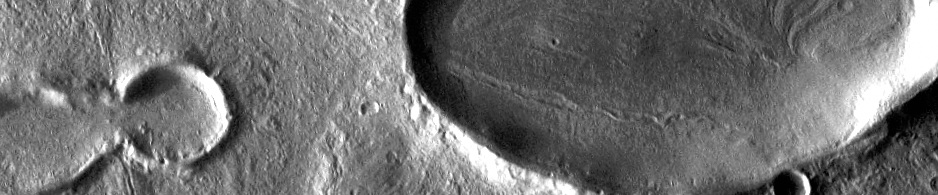
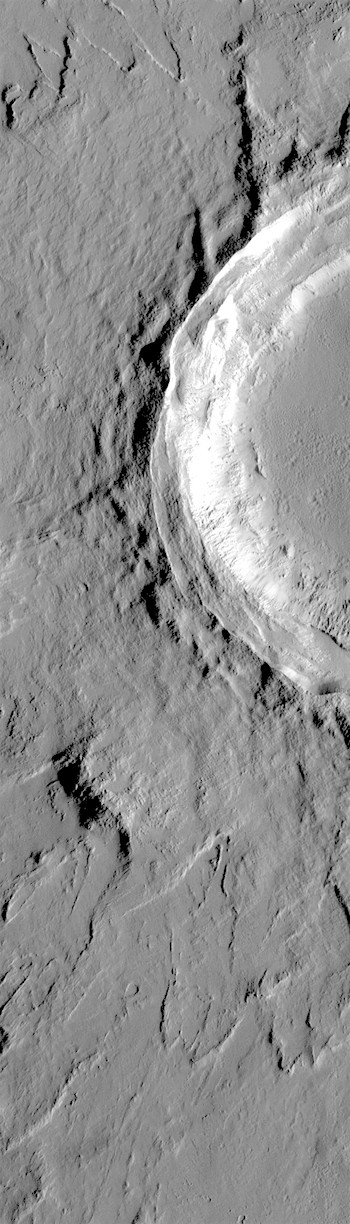
Layers of ejecta around crater in Tharsis (THEMIS_IOTD_20180823)THEMIS Image of the Day, August 23, 2018. This VIS image shows an unnamed crater located northeast of Ascraeus Mons, on the volcanic plains of the Tharsis region.

The rim has several concentric ridges. There are multiple layers of ejecta, with raised edges. The ejecta sits on top of the regional lava flows, indicating it formed after the lava flows covered the area.

The lack of significant modification of both rim and ejecta show that this crater is relatively young.

See more THEMIS Images of the Day by geological subject.

Posted in Reports | Tagged , , , , , , , , , , | Comments Off

Curiosity update: Well I’ll be DANed!

RRB_588089173EDR_F0721316RHAZ00341M_-br2Sol 2148, August 22, 2018, update by MSL scientist Melissa Rice: Curiosity is probing the subsurface today with its Dynamic Albedo of Neutrons (DAN) instrument. At three different times, Curiosity will use DAN in its “active” mode for 20 minutes, sending pulses of neutrons into the ground beneath the rover, and then listening for the neutrons that are scattered back to the instrument. Hydrogen atoms in water will reduce the energy of the neutrons, so the scattered signal that DAN receives will tell us about how much water might be present in the form of hydrated minerals and amorphous phases, to a depth of 1 m beneath the surface. Curiosity is using DAN multiple times today because the neutron output from the DAN Pulsing Neutron Generator (PNG) has decreased over time (though it is well beyond its expected life), and we hope… [More at link]

Posted in Reports | Tagged , , , , , , , , , , , | Comments Off

Weathering on icy terrestrial volcanos may tell about weathering on Mars

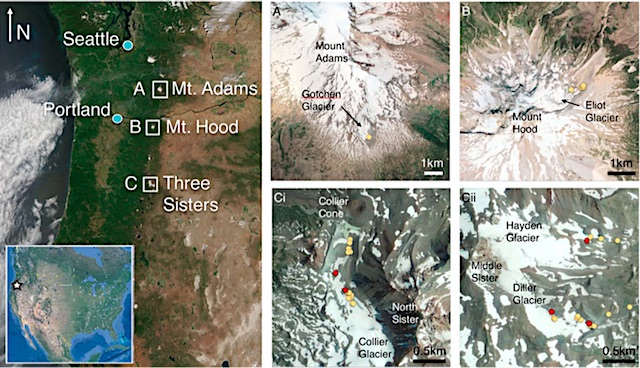
figure-1[Editor’s note: From a paper by Alicia Rutledge and five co-authors recently published in Geophysical Research Letters].

Silica Dissolution and Precipitation in Glaciated Volcanic Environments and Implications for Mars

• Chemical alteration of glaciated volcanic bedrock is dominated by silica dissolution and precipitation
• Dissolved silica in glacial meltwater is greater at more mafic study sites and results in deposition of opaline silica rock coatings
• Past glacial chemical weathering may be responsible for some amorphous silica deposits on the highly mafic surface of Mars

The planet Mars has glaciers and ice sheets on its surface and probably did in the past. Minerals on the planet’s surface form in the presence of water, but it is unclear which minerals may have formed due to liquid water under warm climates versus those formed under much colder climates.

In order to study this problem, we collected rocks and water from Mars‐like analog sites: glaciated volcanoes. We measured the chemistry of the water and the mineralogy and chemistry of rock coatings found near the glaciers. Both the water and the rock coatings were high in silica.

We propose that glaciers alter volcanic bedrock by dissolving and precipitating noncrystalline silica. Silica detected on the surface of Mars could have formed due to similar processes. [More at link]
Posted in Reports | Tagged , , | Comments Off

HiRISE: Monitoring active dunes in east Meridiani Planum

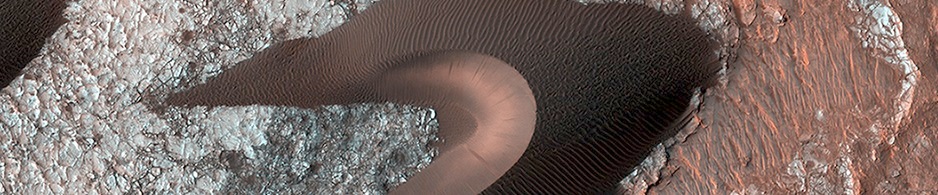
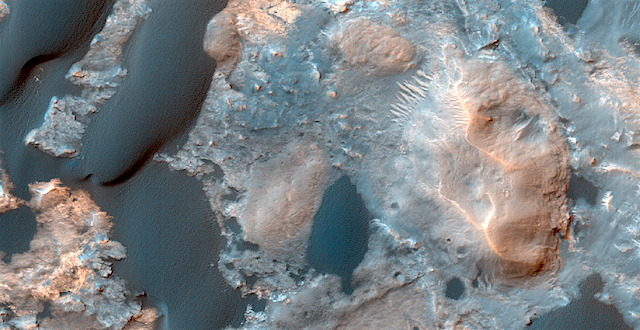
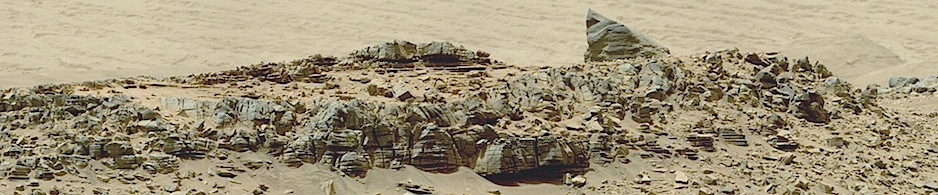
tumblr_pdkc49BFRy1rlz4gso2_1280Monitoring active dunes in east Meridiani Planum. Beautiful Mars series. [More at links]

Posted in Reports | Tagged , , , , , , , , , , | Comments Off

MARCI weather report, August 13-19, 2018

MARCI-August-16-2018The decay phase of the planet-encircling dust event continued this past week, as dust lofted by the event continued to settle out of the thin martian atmosphere. At southern high-latitudes, small dust storms kicked up along the receding seasonal south polar ice cap edge. Near the middle of the week, a short-lived local-scale dust storm was spotted over southeastern Sinus Meridiani. Patchy diffuse water-ice clouds were observed above Arsia… [More at link, including video]

Posted in Reports | Tagged , , , , , , , , , , , , , , , | Comments Off

THEMIS: Channels in volcanic ash

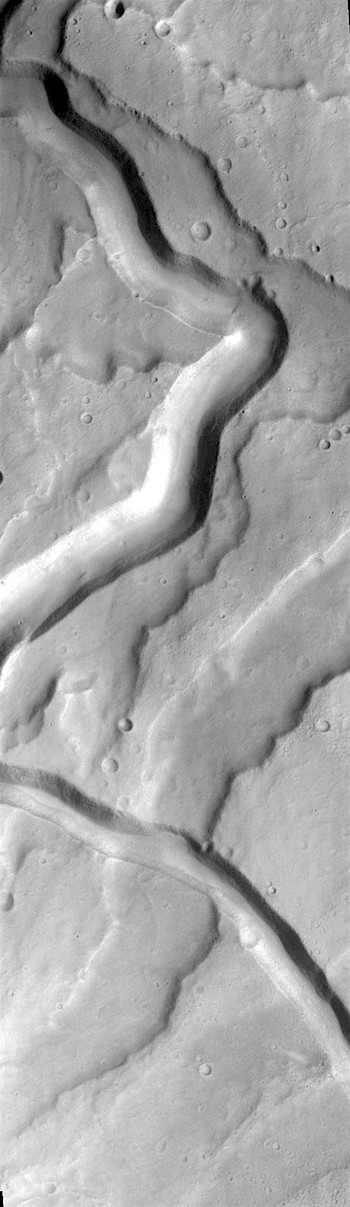
Channels in volcanic ash (THEMIS_IOTD_20180822)THEMIS Image of the Day, August 22, 2018. Tyrrhenus Mons is one of the oldest martian volcanoes and Tyrrhena Fossae is the largest of the channels dissecting the volcano. As well as being one of the oldest volcanoes, it is made of layers that include softer volcanic ash rather than just basaltic flows.

This difference is evident in how the volcano is being eroded, creating broad intersecting sinuous channels. On Earth basaltic flows form broad shield volcanoes like Hawaii. Shield volcanoes can erupt from the central crater, as well as along the flanks.

Volcanoes with ash layers, called composite volcanoes, form steeper sides like Mt Rainier and Mt Fuji. The major amount of material erupts only from the central caldera.

See more THEMIS Images of the Day by geological subject.


Posted in Reports | Tagged , , , , , , , , , , , , | Comments Off

HiRISE: Dusty lava flows

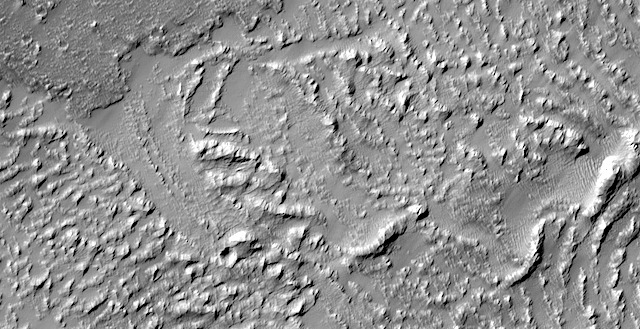
tumblr_pdkbp6cLzj1rlz4gso1_1280Dusty lava flows. Try not to get choked up.

Posted in Reports | Tagged , , , , , , , , , , | Comments Off

Curiosity update: SAM EGA on the Stoer sample!

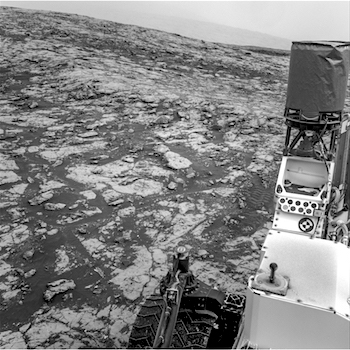
NRB_586409169EDR_F0721286NCAM00264M_-br2Sol 2147, August 20, 2018, update by MSL scientist Mark Salvatore: With the successful drilling of the Stoer target two weeks ago, Curiosity has been busy characterizing the surrounding terrain using its remote instrument package, performing contact science in the immediate vicinity to understand the composition and physical nature of the bedrock, and also performing power-intensive lab-quality analyses of the Stoer sample using its onboard analytical instruments.

In today’s plan, Curiosity will perform an evolved gas analysis (EGA) on the Stoer sample using the Sample Analysis at Mars (SAM) instrument. EGA analyses are critical towards understanding the volatiles and organic molecules that may be present within the sample. SAM will heat the Stoer sample to very high temperatures, more than 900 degrees Celsius, and will measure the composition of gases (including H2O, CO2, and SO4) that bake out of the sample at each temperature increment. Many mineral species, including clays, sulfates, and carbonates, have diagnostic… [More at link]

Posted in Reports | Tagged , , , , , , , , , , , | Comments Off

THEMIS: Sand dunes in Russell Crater

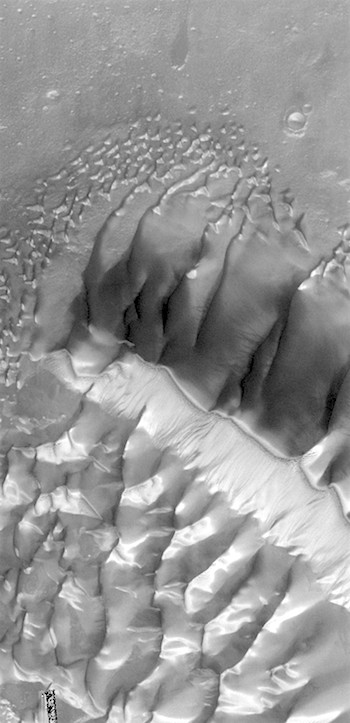
Dunes in Russell Crater (THEMIS_IOTD_20180821)THEMIS Image of the Day, August 21, 2018. The large complex dune form in this VIS image is located on the floor of Russell Crater. Russell Crater is in Noachis Terra. (Features may look odd because sunlight is coming from the bottom of the image.)

See more THEMIS Images of the Day by geological subject.

Posted in Reports | Tagged , , , , , , , , , | Comments Off

Weather update from Gale Crater

Posted in Reports | Tagged , , , , , , , , | Comments Off